





Can ‘Self-Aware’ AI Spot the Flaws We Miss?

Imagine a world where robots don’t just assemble your gadgets, but also obsessively check their own work, catching tiny defects before they become big problems. That’s the promise of a new AI system called Self-Navigated Residual Mamba (SNARM), developed by researchers at Jiangxi Normal University and several other institutions. The Problem: Spotting Tiny Flaws in…

Read More

Robots That See Like Humans: Cracking the Code

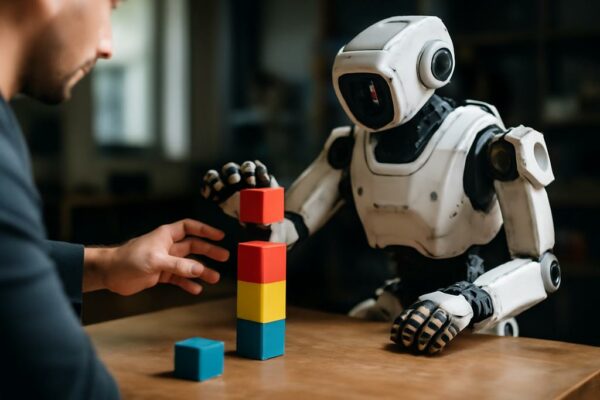
Imagine teaching a robot to perform a simple task, like stacking blocks. You show it a few examples, and it clumsily tries to mimic your movements. Now, imagine the lighting changes, or the camera angle shifts slightly. Suddenly, the robot is completely lost, its carefully learned skills vanishing like a mirage. This frustrating scenario highlights…

Read More

When Math Gets Obsessive About Its Own Digits

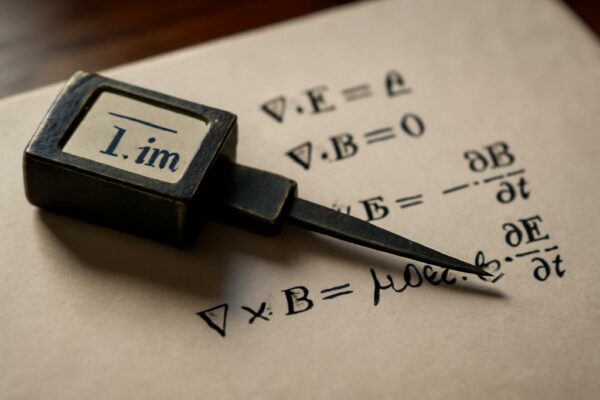
Numbers, those seemingly immutable pillars of reality, often harbor hidden depths. We use them to measure, count, and define the world around us, but sometimes, mathematicians turn the lens inward, exploring the strange, self-referential properties that numbers possess. A new study from Ningbo University in China dives into one such peculiar corner of number theory,…

Read More

AI Learns to Trust Humans, Gets Way Less Glitchy

Machine learning models are powerful, but they’re often tripped up by complex, real-world data. What if we could teach AI to ask for help? A new study from Liverpool John Moores University proposes an “Augmented Reinforcement Learning” (ARL) framework that does just that: it incorporates human insights into the AI’s decision-making process. Lead researcher Sandesh…

Read More